

Shoe Dog: A Crazy Idea, a Car Trunk, and the Rule That Built Nike — Book Deep-Dive #003
Picture it: a 24-year-old at a track meet, the trunk of his Plymouth Valiant open, selling Japanese running shoes out of the back. No store. No plan B. Just a hunch that American runners would pay for a better shoe — and a decade of almost losing everything before anyone knew the name Nike.
Disclosure: some links on this page are affiliate links. As an Amazon Associate, Changenaire earns from qualifying purchases made through links on this page, at no extra cost to you.
Go deeper (affiliate link — we may earn a commission): Shoe Dog by Phil Knight — the book itself — Phil Knight’s account of building Nike from the back of a car.
Phil Knight called his idea crazy himself. That's the word he uses in the book, over and over, and he means it as a compliment. In 1962 he borrowed $50 from his father, flew to Japan, and talked his way into a deal to import Tiger running shoes — a brand nobody in America had heard of. His first year of selling, 1963, he took in about $8,000. Total. He kept his day job as an accountant for years. Nike didn't exist yet; the company was called Blue Ribbon Sports, and for most of the sixties it was one guy, a car trunk, and a supplier on the other side of the Pacific who could cut him off at any moment.
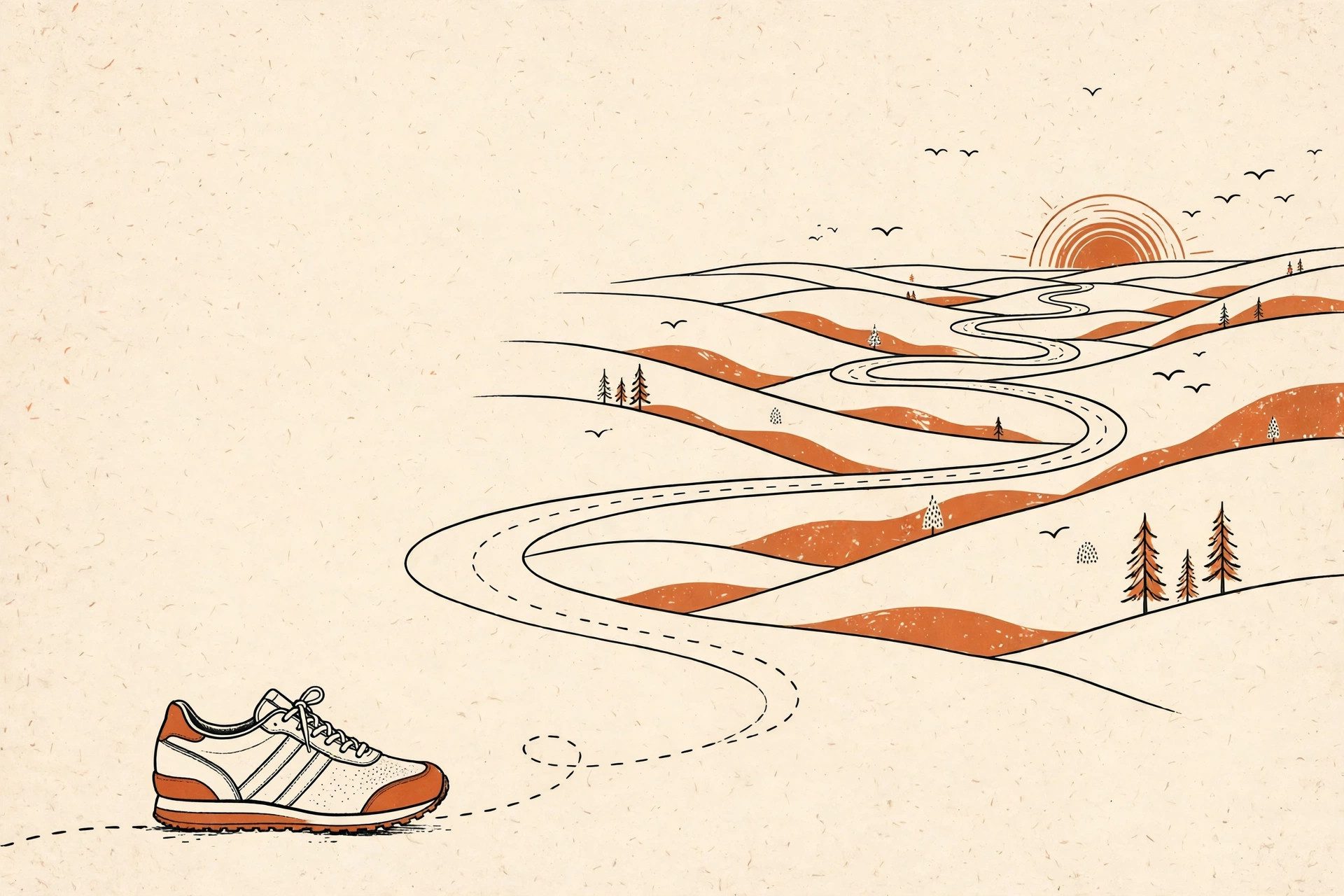
We put this book third on the shelf on purpose. The Lean Startup told you to test small and learn fast. Shoe Dog shows you what that looks like when the test takes eighteen years and nearly kills the company a dozen times anyway. Same lesson, harder version: small bets don't make the road short. They just keep you alive long enough to walk it.
Key takeaways
- A crazy idea plus shoe leather: in 1962 Knight borrowed $50 from his father, flew to Japan, and talked his way into importing Tiger running shoes; his first year of selling, 1963, took in about $8,000.
- Cash flow is the whole game: Nike nearly died of success — every sales jump meant buying more shoes before the last batch was paid for. Watch the cash in the account on the worst day of the month, not revenue.
- Your team is the moat: Bowerman invented the waffle sole in his wife's waffle iron; Carolyn Davidson drew the swoosh for $35. Competitors could copy a shoe; they could not copy that room.
- "Just don't stop": when you don't know what to do next, do the next small thing — make the call, ship the order, show up at the meet.
- Small bets don't make the road short — they keep you alive long enough to walk it. The test took eighteen years and nearly killed the company a dozen times anyway.
Start with a crazy idea — then fund it like a grown-up
Knight's idea was simple: Japanese factories could make a running shoe as good as the German ones, for less money, and American runners would buy it. He had no proof. What he had was a hunch from his own running career at the University of Oregon, where his coach Bill Bowerman was already tinkering with shoe designs in his workshop. The lesson isn't "have a crazy idea." Plenty of people have those. The lesson is what Knight did next: he flew to Japan with borrowed money, walked into a factory, and asked for the deal in person. Then he sold the first shoes himself, face to face, at track meets, one pair at a time. A crazy idea plus shoe leather beats a safe idea plus a spreadsheet.
Cash flow is the whole game
Here's the part most founder stories skip: Nike nearly died of success. Every time sales jumped, the company had to buy more shoes before the last batch was paid for, which meant borrowing more, which meant the bank owned more of the company. Knight calls those years a hand-to-mouth existence, and he means it literally — there were weeks when making payroll depended on a loan landing on time. The supplier fight, the bank fight, the customs fight: the book is a catalog of money problems, not product problems. The shoes were good. The money was always the thing that could kill it. If you're starting something, this is the number to watch — not your revenue, not your followers, but the cash in the account on the worst day of the month.
Your team is the moat
Knight didn't build Nike alone, and he says so plainly. Bowerman, his old coach, became his partner and invented the waffle sole by pouring rubber into his wife's waffle iron. A graphic design student named Carolyn Davidson drew the swoosh — for $35. The early hires were runners, misfits, and people nobody else wanted, and Knight trusted them with real decisions. Competitors could copy a shoe. They couldn't copy that room. The book's best chapters aren't about strategy; they're about loyalty — who stayed when the money ran out, and what it cost Knight to keep them. If you're building alone, that's the first thing to fix. One pair of hands can't carry a decade.
Let the work speak — and keep going
The book's last line is its whole philosophy in three words: just don't stop. Knight isn't selling hustle as a lifestyle. He's saying something narrower and more useful: when you don't know what to do next, do the next small thing. Make the call. Ship the order. Show up at the meet. The company survived because on every single day it could have folded, somebody did the next small thing instead. That's not glamorous. It's the job. And it's the most honest advice in the whole book — not "believe in yourself," but "keep moving and let the results pile up until the picture changes."
Use it this week
Write your crazy idea down in one sentence — the version you'd be embarrassed to say out loud. Then find the cheapest real-world test for it: sell one unit before you build ten, take a deposit before you order inventory, show a sketch to five people who would actually buy. Open a separate account for the business money, even if it's nearly empty, and check the balance every Friday — Knight's crises were all cash crises, and a weekly look beats a monthly surprise. Finally, name the one person you'd want beside you when it gets hard, and ask them in. One pair of hands can't carry a decade, and the asking is the first step.
Who should skip this book
If you want a how-to manual, this isn't it — Knight tells a story, he doesn't hand you a checklist, and the business lessons are buried in the mess of it. If you need clean frameworks and step-by-step systems, The Lean Startup (#002) will serve you better. And if memoirs leave you cold, skip it without guilt. But if you've ever wondered what the years before the success story actually felt like — the trunk, the loans, the weeks the money almost didn't arrive — this is the most honest version of that story on the shelf. The shelf has nine more.
Questions people ask
Is Shoe Dog just a Nike ad?
No — and that's what makes it worth reading. Knight spends more pages on the near-death moments than on the wins: the supplier cutting him off, the bank threatening to pull the plug, the lawsuits. It's a founder telling the truth after the score is settled.
Do I need to care about running or shoes?
Not at all. The shoes are the vehicle, not the point. The point is starting with almost nothing, surviving on cash flow, and building a team that stays. Swap in any product and the story still holds.
How much did the swoosh really cost?
$35. Carolyn Davidson, a graphic design student at Portland State, drew it in 1971. Knight later gave her stock in the company — a good reminder that paying people fairly, even late, is part of the story.
What's the one idea to steal if I read nothing else?
Just don't stop. Not as a slogan — as a practice. When the next move is unclear, do the smallest useful thing in front of you, then the next one. A decade of small moves is how a car trunk becomes a company.
See it on Amazon (Amazon Associates link — we may earn a commission)
Read this next: Losing My Virginity by Richard Branson — the other founder memoir about the hard years: cash running out, hard calls, and betting everything more than once. Shoe Dog shows you the road; this one shows you how to survive it. (Amazon Associates link — we may earn a commission)
From the Book Club shelf: browse all twelve picks.
Sources
Figures in this guide are as of November 2026 unless noted.
- Wikipedia — Shoe Dog — publication details (Scribner, April 26, 2016) and a summary of the book's story, including the Blue Ribbon Sports years and the $35 swoosh.
- Nike — The History of the Nike Moon Shoe — Bill Bowerman's waffle-iron experiment in 1971, the Moon Shoe, and the Waffle Trainer that followed.
- Nike — Our Company — Nike's own account of its founding as Blue Ribbon Sports and its growth into a global company.
Subscribe for more free step-by-step how-to guides to help you get more things done to grow your business or project everyday.
Email required. Unsubscribe anytime.
Read our Privacy Policy.