
Self Improvement #134: March in Place for One Minute
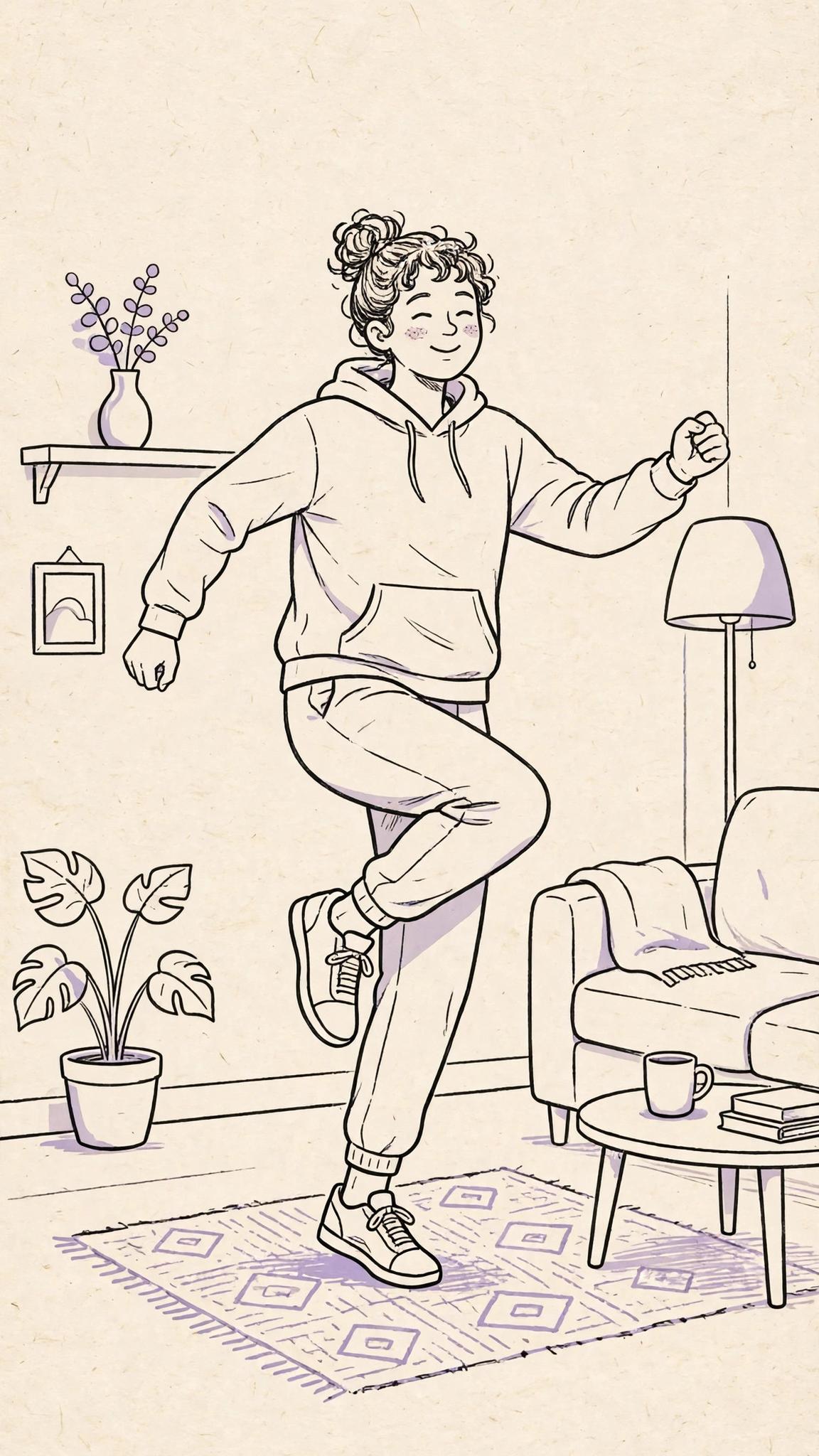
You do not need a gym to wake your body up. You need one minute, one spot on the floor, and knees that lift.
Disclosure: This post contains one affiliate link. If you buy through it, Changenaire may earn a commission at no extra cost to you. We only link books we would hand to a friend.
One book worth your money
You don’t need it to start — nothing here replaces the practice itself. But if you want the case made properly, Born to Run by Christopher McDougall is the one: McDougall follows runners who move for the joy of it — no gym, no gear, just bodies built to run. Marching in place is the same idea, shrunk to one minute. (Referral link — we may earn a commission.)
One minute counts
One minute counts, and marching in place is the smallest workout there is. The World Health Organization says that any amount of physical activity is better than none, and that all of it counts, in its fact sheet on physical activity. Marching in place is walking without going anywhere — your knees lift, your arms swing, your heart beats a little faster. The NHS walking for health page says walking is one of the easiest ways to get more active, that it builds stamina, and that even a brisk ten-minute walk counts. One minute of marching is a walk that fits in your kitchen.
How to march in place
Stand tall, lift one knee, then the other, and keep going for sixty seconds. Let your arms swing at your sides, breathe through your nose, and land soft on your feet. Go at a pace that feels brisk but easy to talk through. If anything hurts, slow down or stop — a little movement is the goal, not a hard one.
Try it today. March in place for one minute — once in the morning, and once after lunch if you like.
What not to buy
No shoes, no mat, no timer app. Your floor and your feet are enough.
What comes next
This is Self Improvement #134. Next, we move — how to do ten slow calf raises while you wait for the kettle, and why ten small rises wake your legs up for the day.
More of the series lives on the Self Improvement hub: stillness, movement, time outdoors, and faith without the fine print.
Sources
- World Health Organization, “Physical activity” fact sheet (accessed November 2026) — any amount of physical activity is better than none; all physical activity counts; regular activity reduces the risk of heart disease, stroke, diabetes, and some cancers.
- NHS, “Walking for health” (accessed November 2026) — walking is one of the easiest ways to get more active; it builds stamina, burns extra calories, and even a brisk 10-minute walk counts.
Subscribe for more free step-by-step how-to guides to help you get more things done to grow your business or project everyday.
Email required. Unsubscribe anytime.