
Self Improvement #071: Pause Before You Answer When You Are Upset
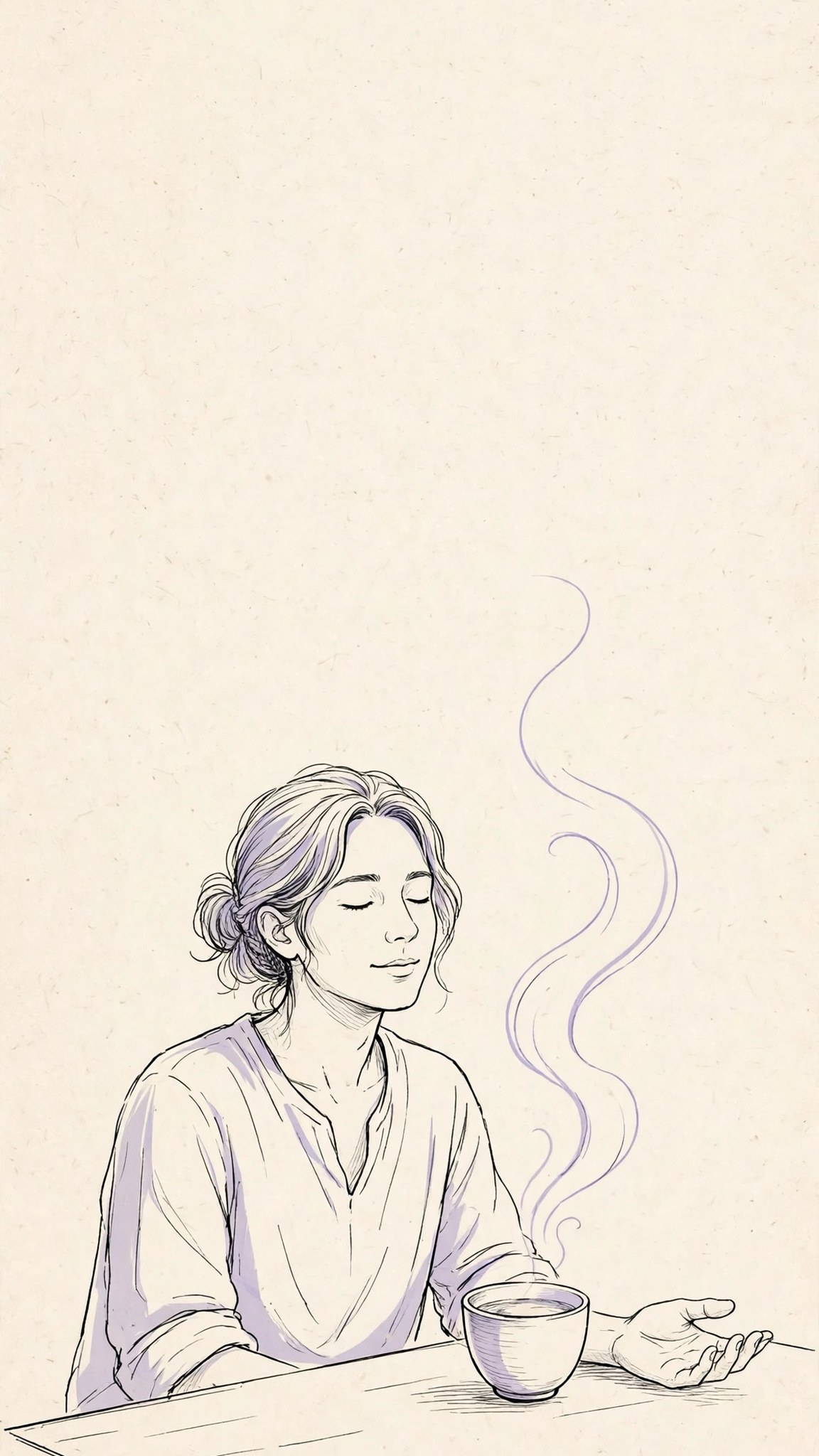
The words are already on your tongue before you have finished hearing theirs. That is the moment this piece is about — the few seconds between being stung and answering, and what three slow breaths can do in them.
Disclosure: This post contains one affiliate link. If you buy through it, Changenaire may earn a commission at no extra cost to you. We only link books we would hand to a friend.
One book worth your money
You don’t need it to start — nothing here replaces the practice itself. But if you want the case made properly, Meditation for Fidgety Skeptics by Dan Harris is the one: Harris was a news anchor who thought meditation was not for him — until he tried ten minutes a day and found his mind got quieter. Pausing before you answer is the same skill, used in the moment it matters. (Referral link — we may earn a commission.)
Take three breaths before you speak
When you are upset, your body answers before your mind does — your chest tightens, your breathing goes fast and shallow, and the reply comes out sharp. Slow breathing reverses that. Breathe in through your nose for a count of four, then out through your mouth for a count of six, and do it three times. Harvard Health explains that slow, controlled breathing can help quiet the body's stress response — the exhale is the part that settles you, so make it longer than the inhale. Three breaths take about thirty seconds. The other person will wait thirty seconds.
Say what happened, not what they are
Once you have breathed, say what happened in plain words: what was said, and how it landed with you. "When you said that, it stung" is a sentence you can stand behind. "You always do this" is a sentence that starts a fight. If the words still feel hot in your mouth, buy more time — "Let me think about that for a minute" is a full sentence, and it works. Another steady count, if four in and six out does not suit you, is box breathing: in for four, hold for four, out for four, hold for four, as laid out in Cleveland Clinic's guide to box breathing. The count does not matter. The pause does.
What not to buy
No app, no course, no breathing gadget. Three breaths are free, and they work wherever you are.
What comes next
This is Self Improvement #071. The series continues the inner work: stillness, movement, time outdoors, and faith without the fine print. Next, we stay still — how to let a bad morning go before noon, and why naming it out loud loosens its hold.
Three breaths. One better answer.
Sources
- Harvard Health Publishing, “Relaxation techniques: Breath control helps quell errant stress response” (accessed November 2026) — slow, controlled breathing can help quiet the body's stress response; focus on the breath and let the exhale run longer than the inhale.
- Cleveland Clinic, “Box Breathing Benefits” (accessed November 2026) — box breathing is a simple four-count pattern — in for four, hold for four, out for four, hold for four — used to steady the body when stress spikes.
Subscribe for more free step-by-step how-to guides to help you get more things done to grow your business or project everyday.
Email required. Unsubscribe anytime.