Self Improvement #125: Close Your Eyes for Sixty Seconds at Noon
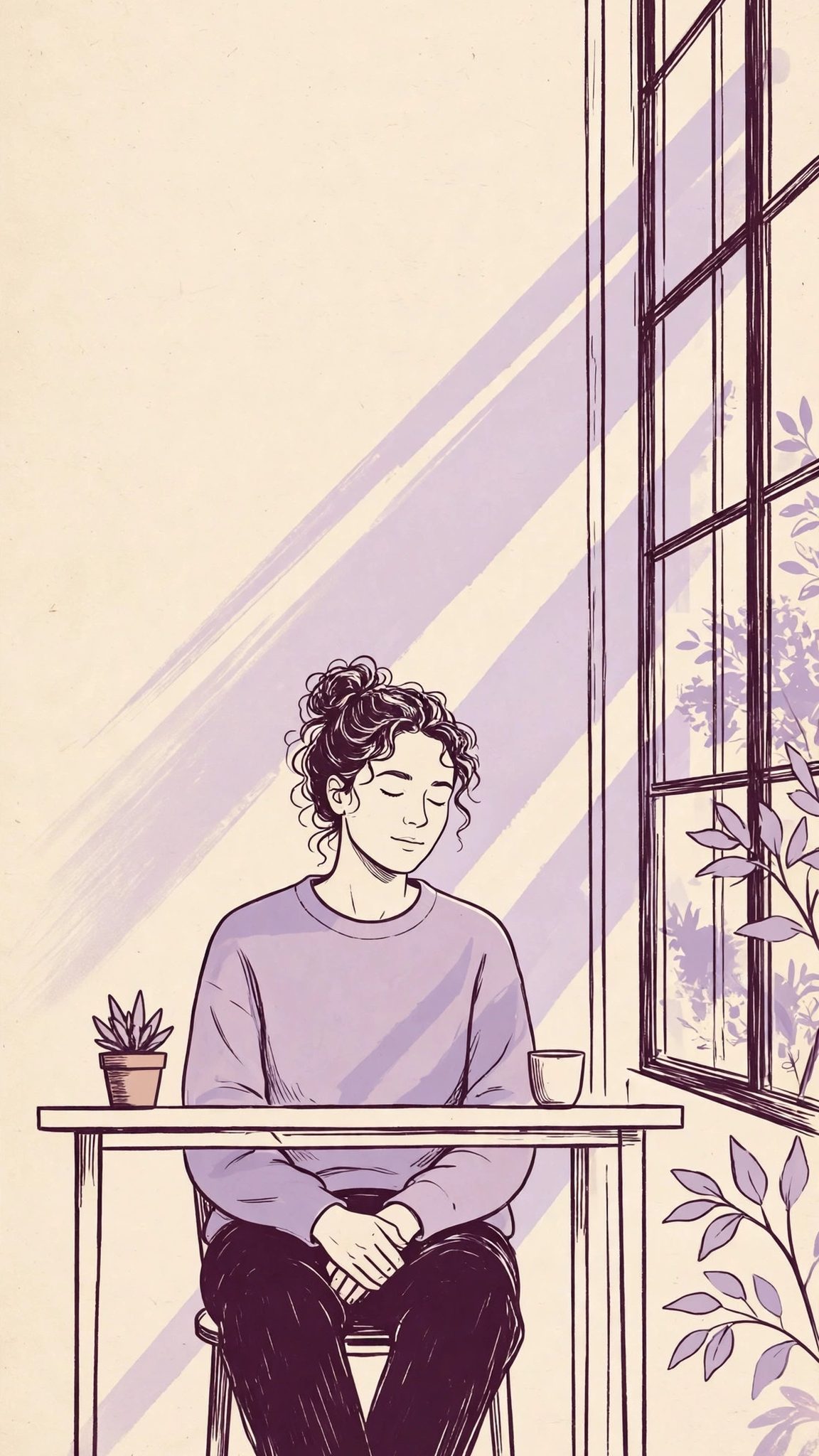
Your eyes have been open since you woke up. At noon, give them sixty seconds off — close them, breathe slow, and do nothing at all.
Disclosure: This post contains one affiliate link. If you buy through it, Changenaire may earn a commission at no extra cost to you. We only link books we would hand to a friend.
One book worth your money
You don’t need it to start — nothing here replaces the practice itself. But if you want the case made properly, Meditation for Fidgety Skeptics by Dan Harris is the one: Harris was a news anchor who thought meditation was not for him — until he tried ten minutes a day and found his mind got quieter. Sixty seconds with your eyes closed is the same skill, shrunk to fit a lunch break. (Referral link — we may earn a commission.)
Your eyes work all day
Your eyes work all day and never ask for a break. They read screens, scan rooms, and watch the road, from the moment you wake up until you close them at night. Sixty seconds with them shut is a small rest that pays off fast — your mind slows down when the pictures stop coming in. The NHS lists paying attention to the present moment as one of its five steps to mental wellbeing, and closing your eyes is one plain way to take that step: you stop taking in new noise and let what is already there settle.
How to take sixty seconds
Pick a time and stick to it. Noon works well because it splits the day in half. Sit down, put your feet flat on the floor, and close your eyes. Breathe in through your nose for a slow count of four, then out through your mouth for a slow count of six. Do that four times — about sixty seconds. Harvard Health explains that slow, controlled breathing can help quiet the body's stress response, and that the long exhale is the part that settles you. When the minute is up, open your eyes and go back to your day.
Try it today. At noon, close your eyes for sixty seconds before you eat lunch.
What not to buy
No app, no eye mask, no timer you have to buy. Your eyelids are the mask, and your phone already has a clock.
What comes next
This is Self Improvement #125. Next, we stay still — how to count ten slow breaths before you speak, and why the count keeps you from saying what you cannot take back.
More of the series lives on the Self Improvement hub: stillness, movement, time outdoors, and faith without the fine print.
Sources
- Harvard Health Publishing, “Relaxation techniques: Breath control helps quell errant stress response” (accessed November 2026) — slow, controlled breathing can help quiet the body's stress response; focus on the breath and let the exhale run longer than the inhale.
- NHS, “5 steps to mental wellbeing” (accessed November 2026) — paying attention to the present moment is one of five steps to mental wellbeing, alongside connecting with people, being active, learning, and giving.
Subscribe for more free step-by-step how-to guides to help you get more things done to grow your business or project everyday.
Email required. Unsubscribe anytime.