
Self Improvement #010: How to Start Hiking When You've Never Been on a Trail
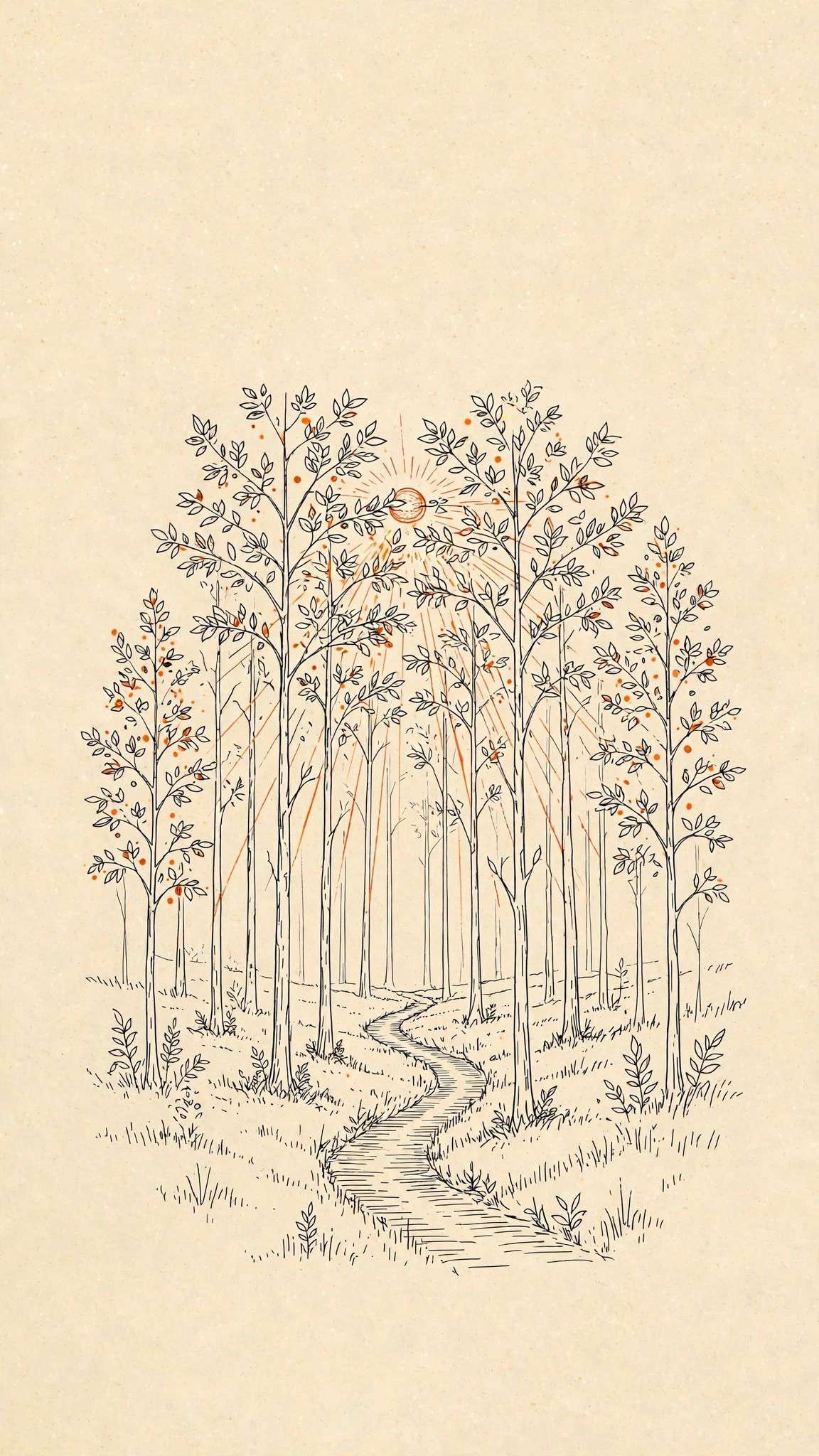
A trail is just a walk with trees around it. You do not need training, gear, or a destination — you need an hour, a path, and the willingness to go slow.
Health note: This piece is general information, not medical advice. It describes gentle techniques for healthy adults. Talk to a doctor before starting a new exercise or breathing routine — especially if you have a health condition, an injury, or pain that keeps coming back. If anything hurts, stop.
Disclosure: This post contains one affiliate link. If you buy through it, Changenaire may earn a commission at no extra cost to you. As an Amazon Associate, Changenaire earns from qualifying purchases made through links on this page. We only link books we would hand to a friend.
One book worth your money
You don’t need it to start — nothing here replaces the practice itself. But if you want the case made properly, The Nature Fix by Florence Williams is the one: Williams followed the scientists who measure what forests do to a brain — in Korea, Japan, Finland, and California — and came back with the case for the trail, made properly. (Referral link — we may earn a commission.)
And if you want the other half of it — not what the forest does to your brain, but how to notice the living world you are walking through — Braiding Sweetgrass by Robin Wall Kimmerer is the one.
Pick the easiest trail
Start with the shortest, flattest trail you can find. A park loop. A nature path. A mile out and a mile back. The goal is not a challenge — it is to be among trees for an hour. The easy trail is the right trail, because the easy trail is the one you will actually do.
Check the trail before you go: a park website, a map, a friend who has done it. Know where it starts, where it ends, and how long it takes. The unknown is what keeps people home, and a five-minute check removes it.
What to carry (almost nothing)
Water. A snack. Your phone, charged, in your pocket. Shoes you can walk in. That is the list. You do not need a pack, poles, or special clothes — the trail does not care what you are wearing, and neither does anyone on it.
Tell someone where you are going and when you expect to be back. That is the one safety rule that matters on an easy trail, and it costs nothing.
Walk slow on purpose
Hiking is not a workout with trees. It is a walk that happens to be in a forest. Go slow enough to notice things: the smell after rain, the light through the leaves, the sound of your own feet. The forest does its work at walking pace, not at running pace. A 2019 University of Michigan study found twenty to thirty minutes outside was the most efficient dose for lowering stress hormones, and a 2019 study of 20,000 people in England found people who spent at least 120 minutes a week in nature reported better health and well-being.
Stop when you want to. Sit on a rock. Look at the view. The trail is not a deadline, and there is no prize for finishing fast. The point is the hour among the trees, not the miles.
What not to buy
You do not need boots, a pack, or a membership. The shoes you own and the trail near your home are the whole kit. If you fall in love with it, the gear can come later. Start with the walk, not the shopping.
What comes next
This is Self Improvement #010. The series continues the inner work: stillness, movement, time outdoors, and faith without the fine print. Next, we turn inward — how to find your purpose when the work feels empty, and the one question that answers it.
One hour. One trail. No gear. Start this weekend — the world you’re going to change is waiting on the person you’re becoming.
Sources
- Hunter, Gillespie & Chen (2019), "Urban Nature Experiences Reduce Stress in the Context of Daily Life Based on Salivary Biomarkers," Frontiers in Psychology 10:722 — twenty to thirty minutes outside was the most efficient dose for lowering the stress hormone cortisol. Limits: 36 people, eight weeks, mostly women.
- White et al. (2019), "Spending at least 120 minutes a week in nature is associated with good health and wellbeing," Scientific Reports — a study of about 20,000 people in England: at least 120 minutes a week in nature was associated with good health and well-being. An association, not proof that nature caused it.
Subscribe for more free step-by-step how-to guides to help you get more things done to grow your business or project everyday.
Email required. Unsubscribe anytime.
Read our Privacy Policy.