
Self Improvement #040: The Sunday Walk: A Weekly Reset
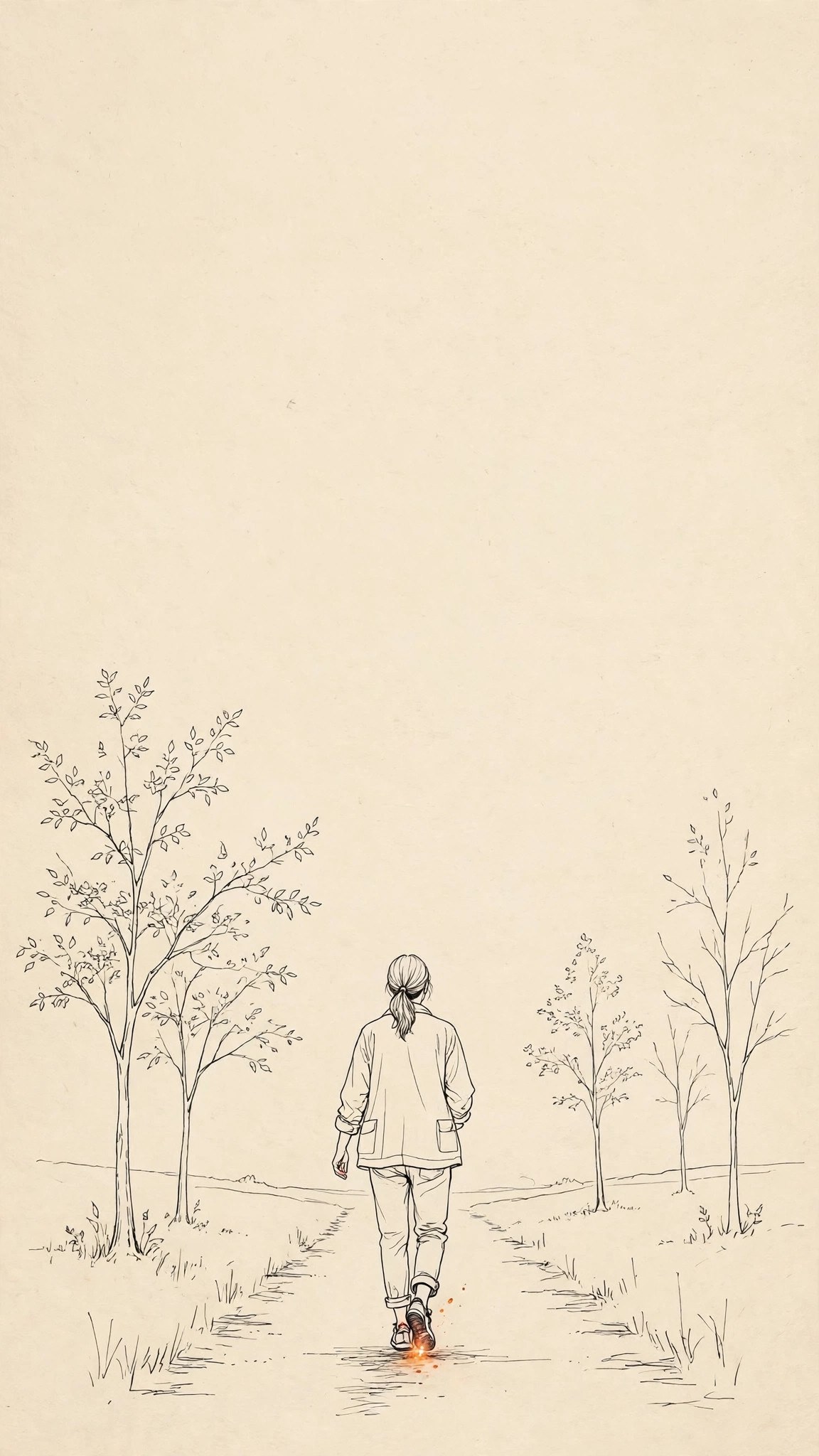
One walk a week, same day, same route, no errands attached. Not exercise you have to gear up for — a reset you can count on. The Sunday walk is the smallest weekly habit that holds the rest of the week together, and it asks almost nothing of you.
Disclosure: This post contains one affiliate link. If you buy through it, Changenaire may earn a commission at no extra cost to you. We only link books we would hand to a friend.
One book worth your money
You don’t need it to start — nothing here replaces the practice itself. But if you want the case made properly, Yoga Anatomy by Leslie Kaminoff & Amy Matthews is the one: Kaminoff and Matthews show what each stretch does inside the body, in plain language with clear drawings. It is the right companion for a walker learning to loosen up after the walk. (Referral link — we may earn a commission.)
Walking counts — the guidelines say so
Adults need at least 150 minutes a week of moderate-intensity activity, and brisk walking counts as moderate. That is the federal guideline, stated plainly on the CDC’s physical activity pages: 150 minutes a week, which works out to 30 minutes on five days, or broken into smaller pieces that fit your week. One Sunday walk is not the whole target — say that honestly — but it is a real start, and a weekly habit you keep beats a daily plan you drop.
Make it the same every week
Same day, same time, same route. The sameness is the point: there is no decision to make and nothing to plan, so the walk happens even on a tired week. Leave the phone at home or in your pocket. Notice the route changing with the season — the same trees, different light. A walk you do not have to think about is a walk you will still be doing in a year.
Ten minutes counts too
If an hour feels too much, start with ten minutes. The NHS walking guide says a brisk 10-minute daily walk has lots of health benefits and counts toward the 150 minutes — and brisk means you can talk but not sing. Ten minutes out the door, ten minutes back, and you have done the thing. Build from there, or don’t. The reset works at ten minutes too.
What not to buy
No walking shoes, no tracker, no app, no special socks. The shoes you already own and a route you already know are enough. If the walk ever needs gear, you will know — because you will have walked enough weeks to wear something out.
What comes next
This is Self Improvement #040. The series continues the inner work: stillness, movement, time outdoors, and faith without the fine print. Next, we move — balance basics, how to stay steady on your feet, and why balance is a skill you can practice at home.
Same day. Same route. See you next Sunday.
Sources
- Centers for Disease Control and Prevention, “What You Can Do to Meet Physical Activity Recommendations” (page updated December 4, 2025) — adults need at least 150 minutes a week of moderate-intensity activity such as brisk walking, plus muscle-strengthening activity on at least 2 days a week; 150 minutes can be 30 minutes a day, 5 days a week.
- National Health Service (UK), “Walking for health” (page last reviewed December 14, 2022) — walking is simple, free, and one of the easiest ways to get more active; a brisk 10-minute daily walk has lots of health benefits and counts towards the 150 minutes of weekly exercise; brisk means you can talk but not sing.
Subscribe for more free step-by-step how-to guides to help you get more things done to grow your business or project everyday.
Email required. Unsubscribe anytime.