
Self Improvement #062: How to Keep Faith in People After Being Let Down
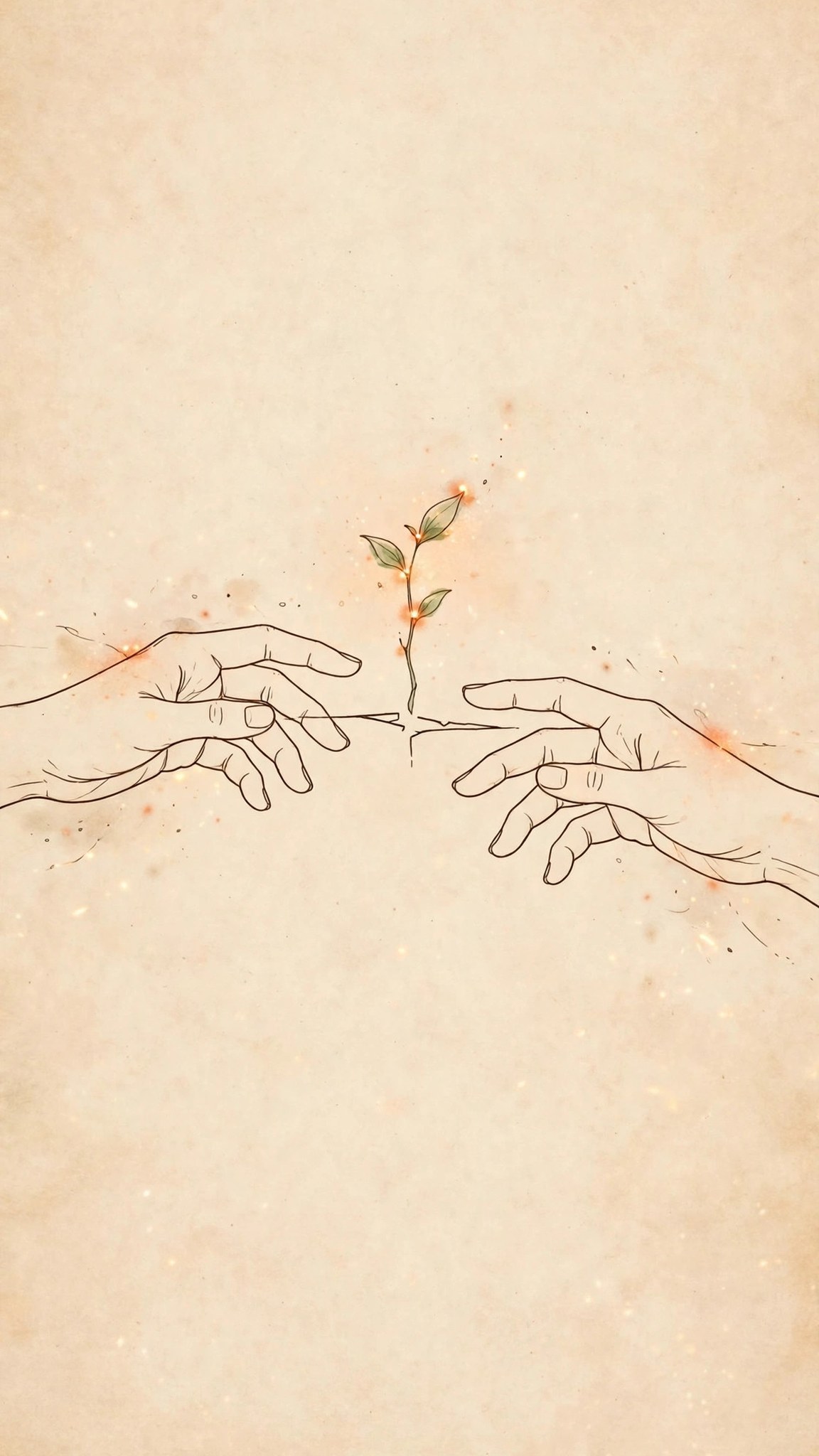
Someone let you down, and now the whole world looks suspect. That is the wound talking — one person broke a promise, and your mind has decided that everyone will. Faith in people is not rebuilt by deciding to trust everyone again. It is rebuilt in small pieces, starting with one honest conversation.
Disclosure: This post contains one affiliate link. If you buy through it, Changenaire may earn a commission at no extra cost to you. We only link books we would hand to a friend.
One book worth your money
You don’t need it to start — nothing here replaces the practice itself. But if you want the case made properly, Man’s Search for Meaning by Viktor E. Frankl is the one: Frankl’s case is that meaning survives even the worst of what people do to each other — and that choosing your own response is always yours. If people have let you down, this is the book that argues for keeping faith anyway. (Referral link — we may earn a commission.)
One person is not everyone
A letdown proves something about one person, on one day, in one situation. It does not prove anything about the next person, or the one after that. The Greater Good Science Center reports on a study in Psychological Science: people who believed that moral character can change over time were more likely to trust a partner again after that partner broke trust, apologized, and then kept their word. Believing people can change is not naive. It is what makes the next trust possible — and it is a belief you can choose, even while you are still careful.
One honest conversation
Pick the one person, and have one honest conversation. Say what happened, plainly, once — not as an attack, but as a fact: this is what you did, and this is what it cost me. Then ask what they will do differently, and watch what they do next. Psychologist Joshua Coleman, writing in Greater Good, found that rebuilding trust rests on two things: both sides taking some responsibility for what happened, and the person who was hurt regaining a sense of control — deciding what they will accept, and what they will not. If the person owns it and changes, the trust grows back a little. If they do not, you have your answer, and you can stop spending your faith there. Either way, you are not stuck. You are choosing.
What not to buy
No book on reading people, no course on spotting liars, no test that promises to tell you who to trust. One conversation, and the courage to watch what happens next.
What comes next
This is Self Improvement #062. The series continues the inner work: stillness, movement, time outdoors, and faith without the fine print. Next, we live the faith — how to keep going when your plan falls apart, and why one small step is enough.
One conversation. One small trust. Begin.
Sources
- Greater Good Science Center, “How to Rebuild Trust” (accessed November 2026) — a study published in Psychological Science: participants led to believe that moral character can change were more likely to trust a partner again after the partner apologized and kept their word in later rounds.
- Greater Good Science Center, “Surviving Betrayal,” by Joshua Coleman (accessed November 2026) — rebuilding trust rests on shared responsibility for what happened and on the betrayed person regaining a sense of control; allowing a partner to make sincere amends matters, and trust is necessary for a happy, meaningful life.
Subscribe for more free step-by-step how-to guides to help you get more things done to grow your business or project everyday.
Email required. Unsubscribe anytime.