
Self Improvement #041: How to Grow Something from a Seed
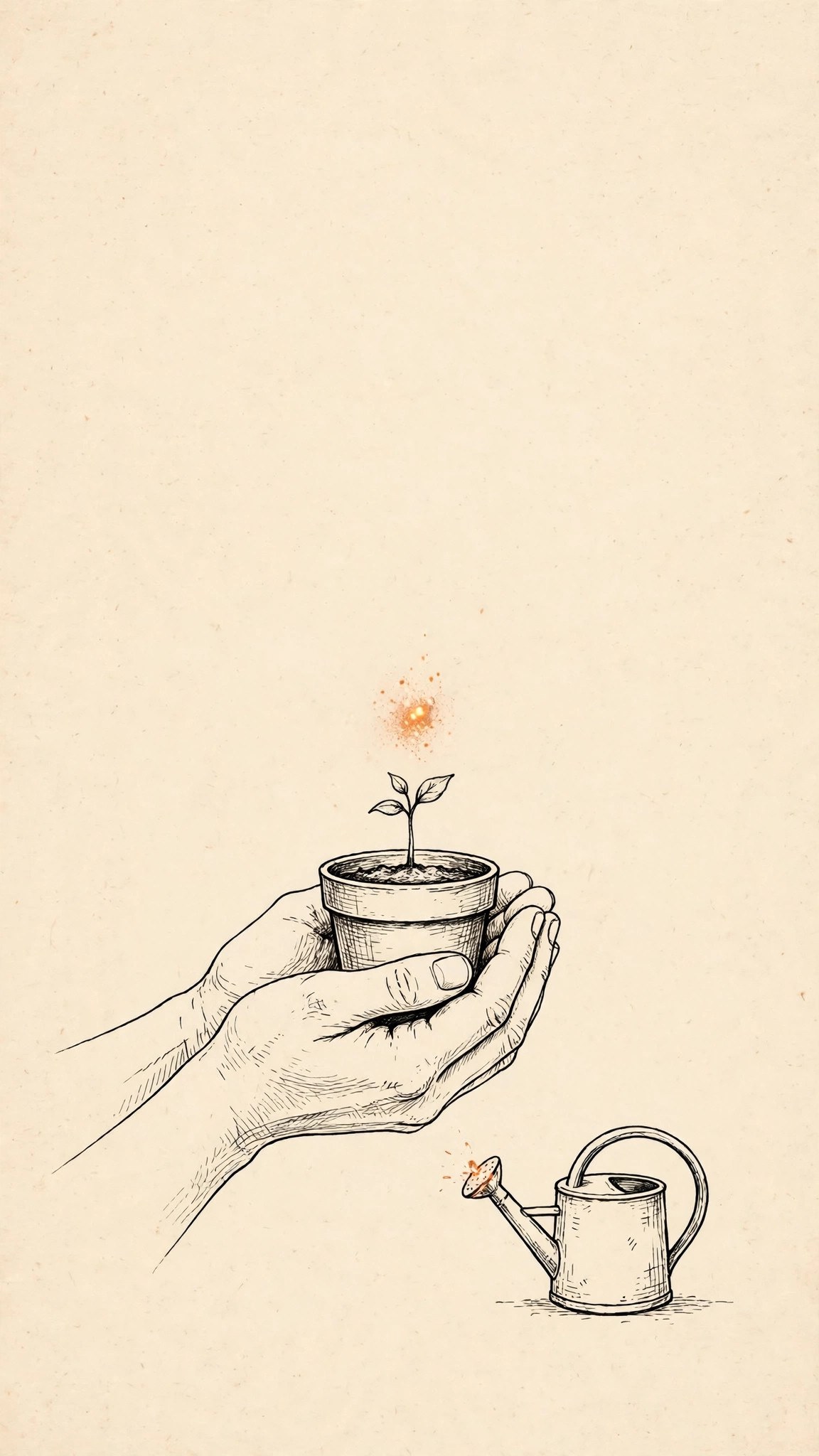
A seed, a pot, some soil, and a sunny spot. That is the whole shopping list. Growing something from a seed is the slowest kind of progress — and the most honest. You cannot rush it, and you cannot fake it. You can only show up, water it, and wait.
Disclosure: This post contains one affiliate link. If you buy through it, Changenaire may earn a commission at no extra cost to you. We only link books we would hand to a friend.
One book worth your money
You don’t need it to start — nothing here replaces the practice itself. But if you want the case made properly, Braiding Sweetgrass by Robin Wall Kimmerer is the one: Kimmerer, a botanist and a member of the Citizen Potawatomi Nation, writes about what plants teach — attention, gratitude, and giving back. It is the right book for a windowsill garden. (Referral link — we may earn a commission.)
Start with one pot, one plant
Pick something forgiving — a sunflower, some basil, a tomato plant. The Royal Horticultural Society’s guide to sowing seeds indoors says it plainly: sowing indoors is easy and cost-effective, it gets plants going earlier in the year, and it protects them from frost, damp weather, and insects. One pot and one plant is enough. The lesson is in the tending, not the harvest.
The packet is the instruction manual
Read the seed packet before you sow — it tells you the sowing months, the depth, and the spacing for that exact plant. As a rule, cover small seeds with only a thin layer of compost, about the depth of the seed itself. The University of Minnesota Extension’s seed-starting guide adds two practical rules: start in small, individual containers so the roots do not tangle, and use a seed-starting mix, not garden soil. Label the pot with the plant and the date — you will forget both by next week.
Light and patience do the rest
Seeds need warmth to sprout and strong light to grow into sturdy plants. A bright windowsill is often not enough — the same Extension guide warns that a windowsill can be the coldest place in the house at night, and that artificial light is essential for healthy seedlings. Give them a warm spot, bright light kept close, and water gently so the soil stays moist but never soaked. When the seedlings have two pairs of leaves, move them into bigger pots. When the weather warms, move them outside a little at a time, a few hours a day, so the sun and wind do not shock them.
What not to buy
No grow tent, no heat mat, no special kit to start. One pot, one packet of seeds, soil, water, and light. If you are still growing a year from now, then think about gear — by then you will know what you actually need.
What comes next
This is Self Improvement #041. The series continues the inner work: stillness, movement, time outdoors, and faith without the fine print. Next, we go outside — how to spend one hour outside every day, and why an hour outdoors is the cheapest reset there is.
One seed. One pot. Water it today.
Sources
- Royal Horticultural Society, “How to Sow Seeds Indoors” (accessed November 2026) — sowing indoors is easy and cost-effective, gives plants an earlier start, and protects them from frost, damp weather, and insect damage; small seeds are covered with only a thin layer of compost, about the depth of the seed.
- University of Minnesota Extension, “Starting seeds indoors” (accessed November 2026) — start seeds in small, individual containers with a commercial seed-starting mix; a windowsill can be the coldest place in the house at night; artificial light is essential for healthy seedlings; harden seedlings off gradually before moving them outside.
Subscribe for more free step-by-step how-to guides to help you get more things done to grow your business or project everyday.
Email required. Unsubscribe anytime.