
Self Improvement #025: How to Help Someone Without Being Asked
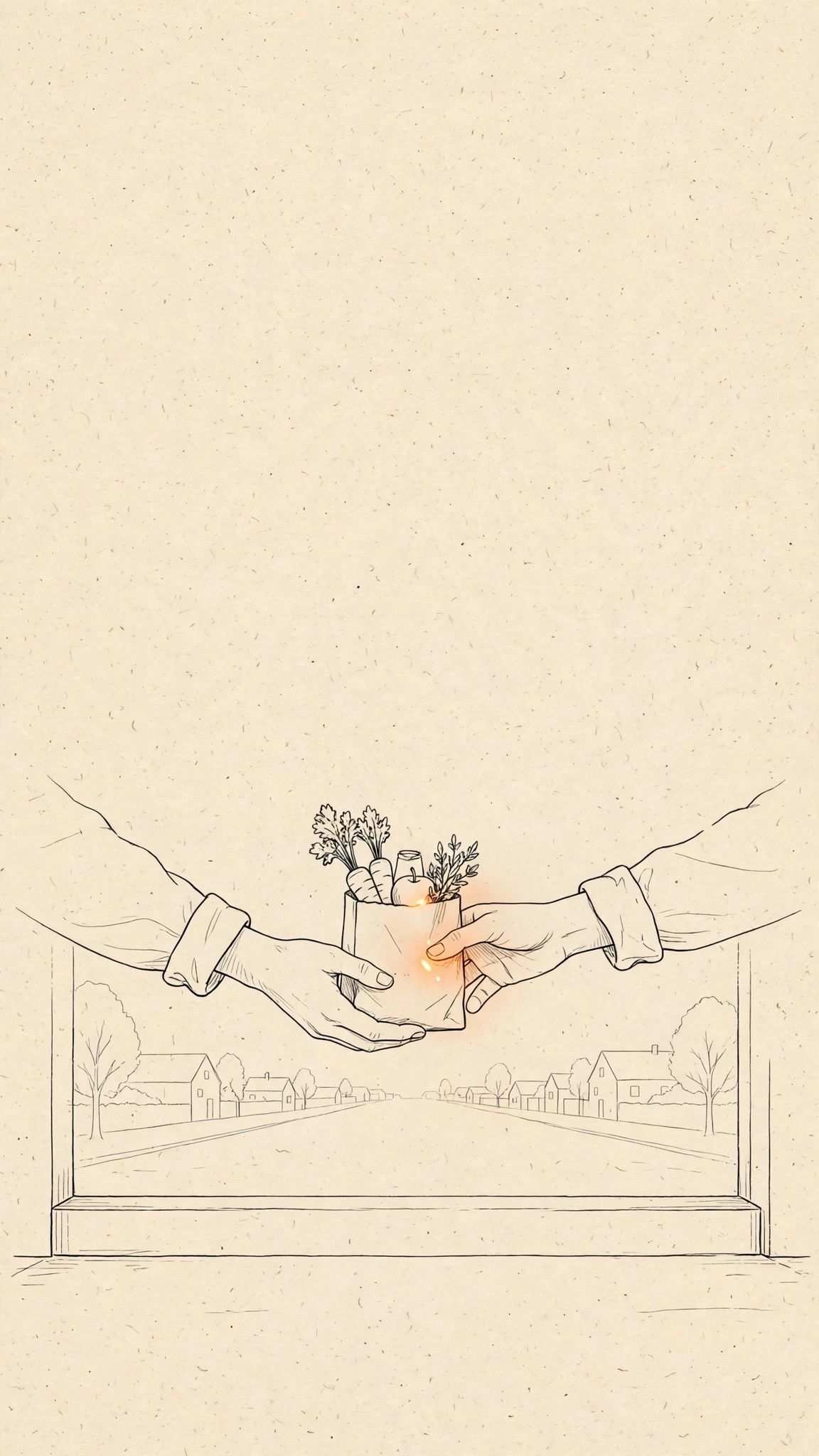
The neighbor carrying groceries. The new person at work eating lunch alone. The friend who stopped answering texts. You see the need. The question is whether you step toward it or walk past it and forget it by dinner.
Disclosure: This post contains one affiliate link. If you buy through it, Changenaire may earn a commission at no extra cost to you. As an Amazon Associate, Changenaire earns from qualifying purchases made through links on this page. We only link books we would hand to a friend.
One book worth your money
You don’t need it to start — nothing here replaces the practice itself. But if you want the case made properly, The Alchemist by Paulo Coelho is the one: Coelho’s story of a shepherd following a quiet call, one step at a time — about listening for the dream and trusting it enough to move. It reads like a fable and lands like advice: follow the small sign in front of you. (Referral link — we may earn a commission.)
See it, name it, do it
Most people will not ask for help, even when they need it. Asking feels like admitting something. So do not wait for the ask. Offer something specific instead of something vague: “I am going to the store — what do you need?” beats “let me know if you need anything” every time, because the second one puts the work back on the person who is already struggling. Name the thing you can do, then do it.
Small is the whole point
Help does not have to be big to matter. A ride. A meal. A phone call that says “I was thinking of you.” The Greater Good Science Center, writing up happiness research by Sonja Lyubomirsky, puts it plainly: helping someone else is a surefire way to lift your own happiness — practicing kindness generates real increases in happiness, and the friends and goodwill that follow add to it. You are not giving something away. You are building something — between you and the person you helped — that was not there before.
Why it steadies you
Helping someone else is one of the fastest ways out of your own head. HelpGuide’s guide to the benefits of volunteering lists the same payoff: giving to others can reduce stress, lift your mood, and give you a sense of purpose — and you do not need a formal program to get it. One small offer, made without being asked, does the same work. Do it without an announcement. The credit is not the point. The person is.
What not to buy
No app, no course, no “kindness kit.” Help is not a subscription, and the person in front of you does not need a product. They need a hand. Yours is free, and it is already here.
What comes next
This is Self Improvement #025. The series continues the inner work: stillness, movement, time outdoors, and faith without the fine print. Next, we live the faith — finding hope after a setback, and why the next step matters more than the last fall.
See the need. Name it plainly. Do the thing. Start with the person in front of you.
Sources
- Greater Good Science Center, “Happiness for a Lifetime” (Sonja Lyubomirsky, accessed November 2026) — helping someone else is a surefire way to lift your own happiness; practicing kindness generates real increases in happiness.
- HelpGuide, “Volunteering and its Surprising Benefits” (accessed November 2026) — giving to others can reduce stress, combat depression, and provide a sense of purpose.
Subscribe for more free step-by-step how-to guides to help you get more things done to grow your business or project everyday.
Email required. Unsubscribe anytime.
Read our Privacy Policy.