
Self Improvement #028: How to Read the Weather Like a Farmer
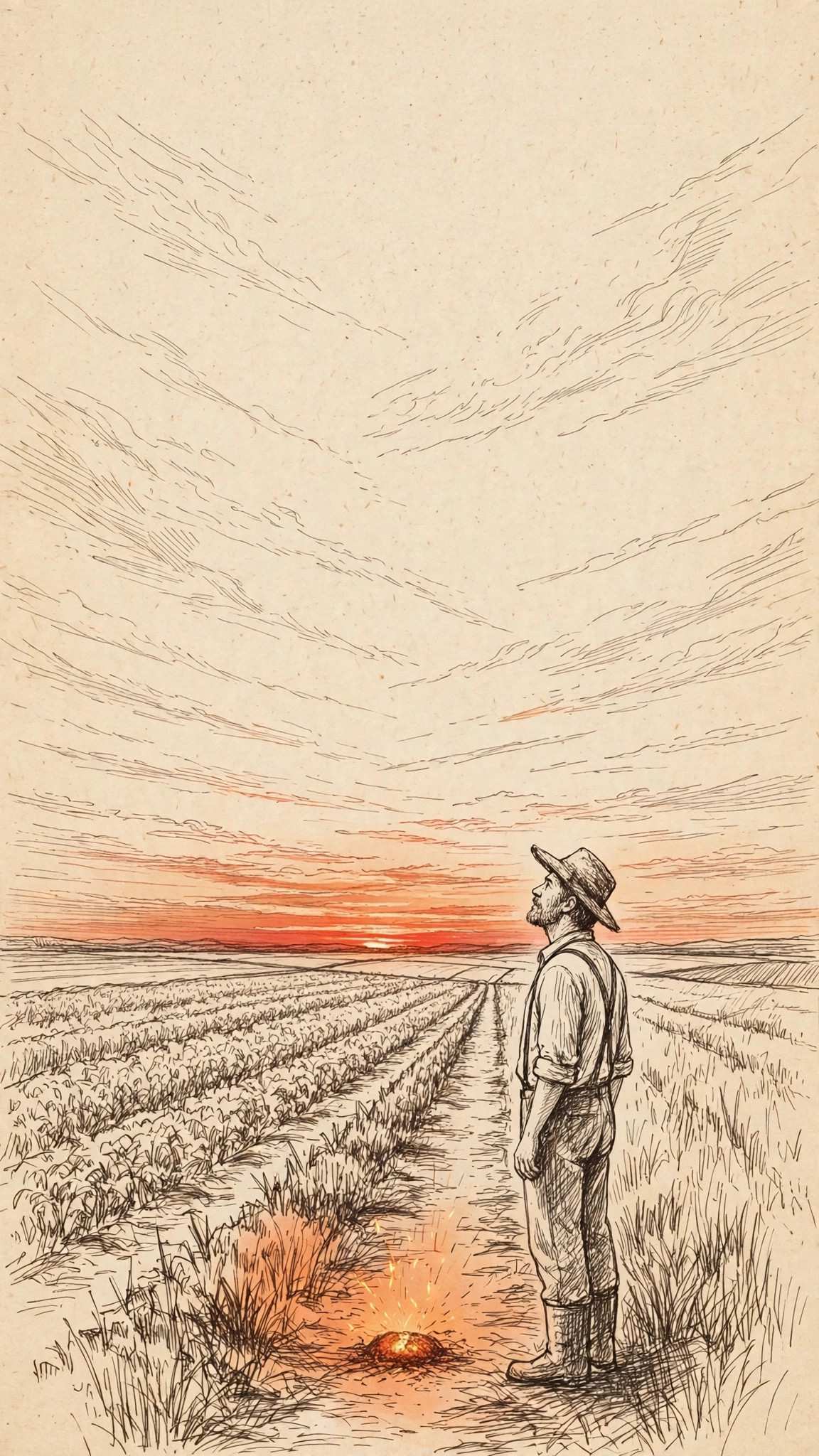
Before the forecast lived in your pocket, it lived in the sky — and farmers read it every morning because their living depended on it. You do not need their livelihood to use their skill. Look up, learn three signs, and the sky starts talking back.
Disclosure: This post contains one affiliate link. If you buy through it, Changenaire may earn a commission at no extra cost to you. As an Amazon Associate, Changenaire earns from qualifying purchases made through links on this page. We only link books we would hand to a friend.
One book worth your money
You don’t need it to start — nothing here replaces the practice itself. But if you want the case made properly, The Nature Fix by Florence Williams is the one: Williams gathers the science on what time outside does for the brain — and then shows you how little of it you need. Read it, and the sky starts to look like a tool, not a backdrop. (Referral link — we may earn a commission.)
Start with the clouds
Clouds are the sky’s first warning. High, thin, wispy clouds — cirrus — often show up ahead of a change in the weather, while low, dark, piled-up clouds mean rain is close. The National Weather Service’s cloud guide lays out the shapes and what each one brings: tall, towering clouds grow into storms, and a sky that fills from one edge is a sky about to change its mind. You do not need the names. You need the habit of looking up.
The old sayings still work
“Red sky at night, sailor’s delight. Red sky in the morning, sailors take warning.” It sounds like a rhyme, and it is — but it is also a forecast. The Farmers’ Almanac weather lore collects the sayings farmers trusted: a red evening sky means settled air is coming from the west, and a red morning sky means wet weather is on its way. The sayings survived because they were right often enough to bet a harvest on.
Wind, smell, and the feel of the air
The sky is not the only sign. A wind that shifts direction in the afternoon is a front moving through. The air before rain smells different — damp earth, cut grass, a heaviness you can feel on your skin. Farmers knew the signs because they spent their days outside. Spend ten minutes outside every morning, look up, and check what the sky actually did. In a week, you will have your own forecast — one that never needs a signal.
What not to buy
No weather station, no barometer, no app subscription. Your eyes, the sky, and a week of paying attention are the whole kit. The forecast on your phone is still useful — but now you will know when to doubt it.
What comes next
This is Self Improvement #028. The series continues the inner work: stillness, movement, time outdoors, and faith without the fine print. Next, we go outside — the case for eating outside, and why a meal tastes better under the sky.
Look up. Learn three signs. Check the sky tomorrow morning.
Sources
- National Weather Service, “Clouds” (Jetstream, accessed November 2026) — the shapes of clouds and what each brings: high thin cirrus ahead of a change in the weather, low dark clouds close to rain, tall towering clouds growing into storms.
- Farmers’ Almanac, “Weather Lore” (accessed November 2026) — the sayings farmers trusted, including “red sky at night, sailor’s delight; red sky in the morning, sailors take warning.”
Subscribe for more free step-by-step how-to guides to help you get more things done to grow your business or project everyday.
Email required. Unsubscribe anytime.
Read our Privacy Policy.