
Self Improvement #022: How to Stay Calm When Someone Disrespects You
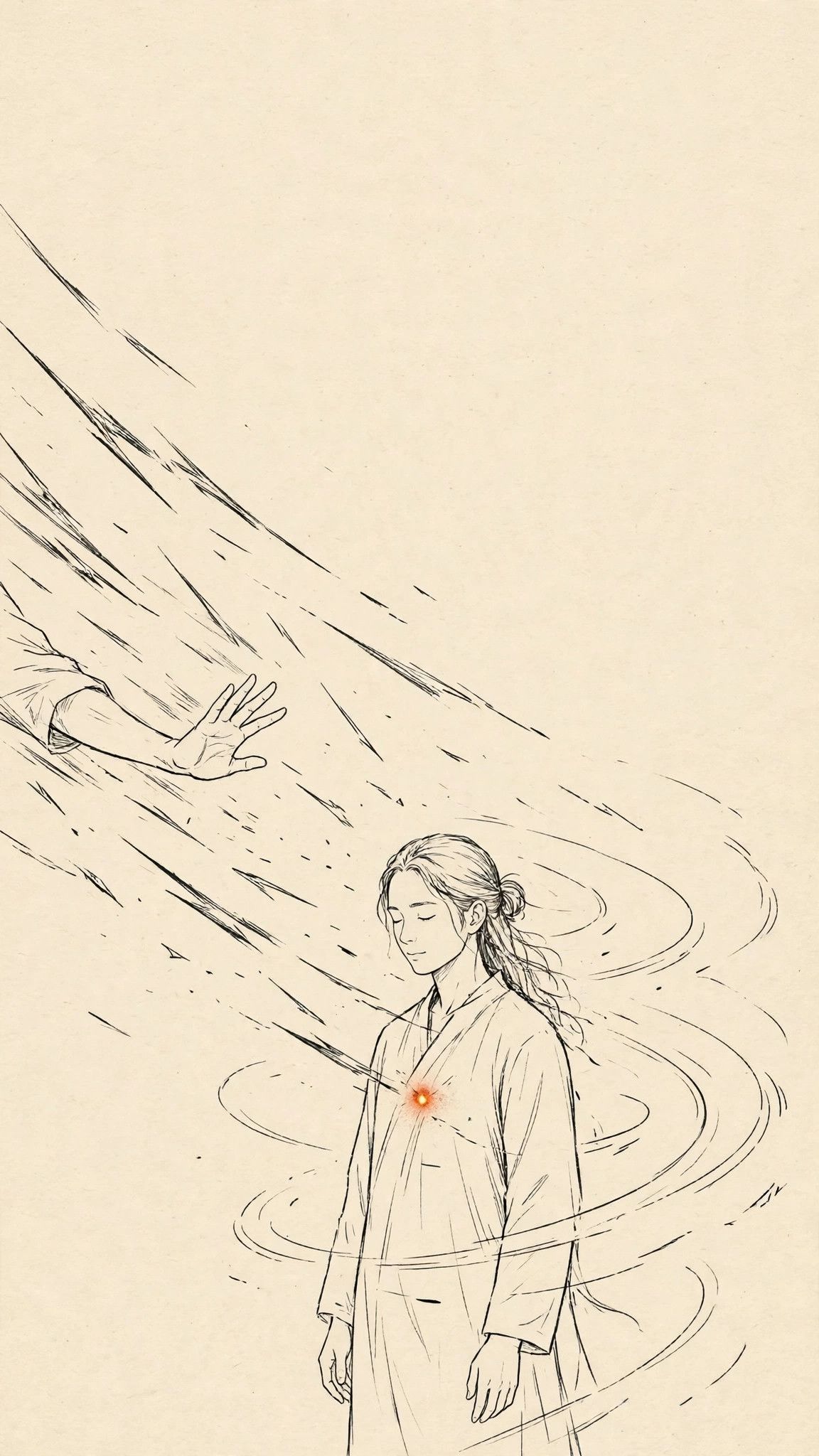
Someone talks down to you — in a meeting, at home, in line at the store. Your face goes hot. Your hands want to answer before your brain does. That hot second is the whole test. What you do in it decides whether you walk away steady or spend the rest of the day replaying it.
Disclosure: This post contains one affiliate link. If you buy through it, Changenaire may earn a commission at no extra cost to you. As an Amazon Associate, Changenaire earns from qualifying purchases made through links on this page. We only link books we would hand to a friend.
One book worth your money
You don’t need it to start — nothing here replaces the practice itself. But if you want the case made properly, Meditation for Fidgety Skeptics by Dan Harris is the one: Harris wrote it for people whose minds will not sit still — and the same calm that steadies a racing mind steadies a hot temper. Practical, funny, and honest about what meditation can and cannot do. (Referral link — we may earn a commission.)
The pause is the skill
When disrespect lands, your body answers before your mind does. Your heart speeds up, your jaw tightens, and the words you would regret are already on your tongue. The American Psychological Association’s advice on controlling anger starts in the same place: slow down before you speak, and let the surge pass. Breathe in for four, out for six — the same count from the breathwork piece — and give your brain the seconds it needs to catch up with your body.
Why the breath works
Slow breathing is not a trick. It is a signal. Harvard Health describes how breath control helps quiet the stress response: a slow exhale tells your body the danger has passed, and the heat in your face starts to fade. You do not need a quiet room. You need one slow breath, taken in the open, while the other person is still talking.
What to say when the pause ends
Say it back plainly, in one line: “That came across as disrespectful. I want to hear the point, not the tone.” No shouting, no sarcasm, no speech. If the room is wrong for it, say the second line instead: “I am not going to argue about this here. We can talk when it is calmer.” Then walk away and mean it. Calm is not the same as silent. Calm is choosing your words on purpose.
What not to do
Do not answer in front of an audience if you can help it — the crowd makes every word louder than you meant it. Do not send the text. Do not spend the night rehearsing the comeback you wish you had said. The comeback is a rerun of the moment, and the moment is over. Sleep on it. If it still matters in the morning, say it then, in plain words, to the person who said it.
What not to buy
No course, no “verbal self-defense” kit, no app that promises comebacks. The pause costs nothing, and it is the only tool that works in the second the words land. Buy the book if you want the longer version. The practice itself is free.
What comes next
This is Self Improvement #022. The series continues the inner work: stillness, movement, time outdoors, and faith without the fine print. Next, we stay still — how to stop overthinking a decision, and why the first choice you can live with is usually the right one.
Breathe first. Choose your words. Walk away steady.
Sources
- American Psychological Association, “Controlling anger before it controls you” (accessed November 2026) — slow down before you speak; use relaxation techniques, including deep breathing, to calm the body’s anger response.
- Harvard Health Publishing, “Relaxation techniques: Breath control helps quell errant stress response” (accessed November 2026) — slow, controlled breathing helps quiet the body’s stress response.
Subscribe for more free step-by-step how-to guides to help you get more things done to grow your business or project everyday.
Email required. Unsubscribe anytime.
Read our Privacy Policy.