

Contagious: Why Word of Mouth Beats Ads Every Time — Book Deep-Dive #024
Disclosure: some links on this page are affiliate links. If you buy through one, Changenaire may earn a commission at no extra cost to you. As an Amazon Associate, Changenaire earns from qualifying purchases made through links on this page.
Ads get skipped. Friends get heard. That is the whole bet behind Jonah Berger's Contagious: Why Things Catch On (Amazon Associates link — we may earn a commission) — people trust what other people say far more than what a brand says about itself. Berger, a marketing professor at the Wharton School, spent ten years studying why some products and ideas spread while others stall. His book, a New York Times bestseller published by Simon & Schuster in March 2013, boils it down to six ingredients he calls STEPPS. This piece walks through all six, in plain English, with the parts a founder can use this week.
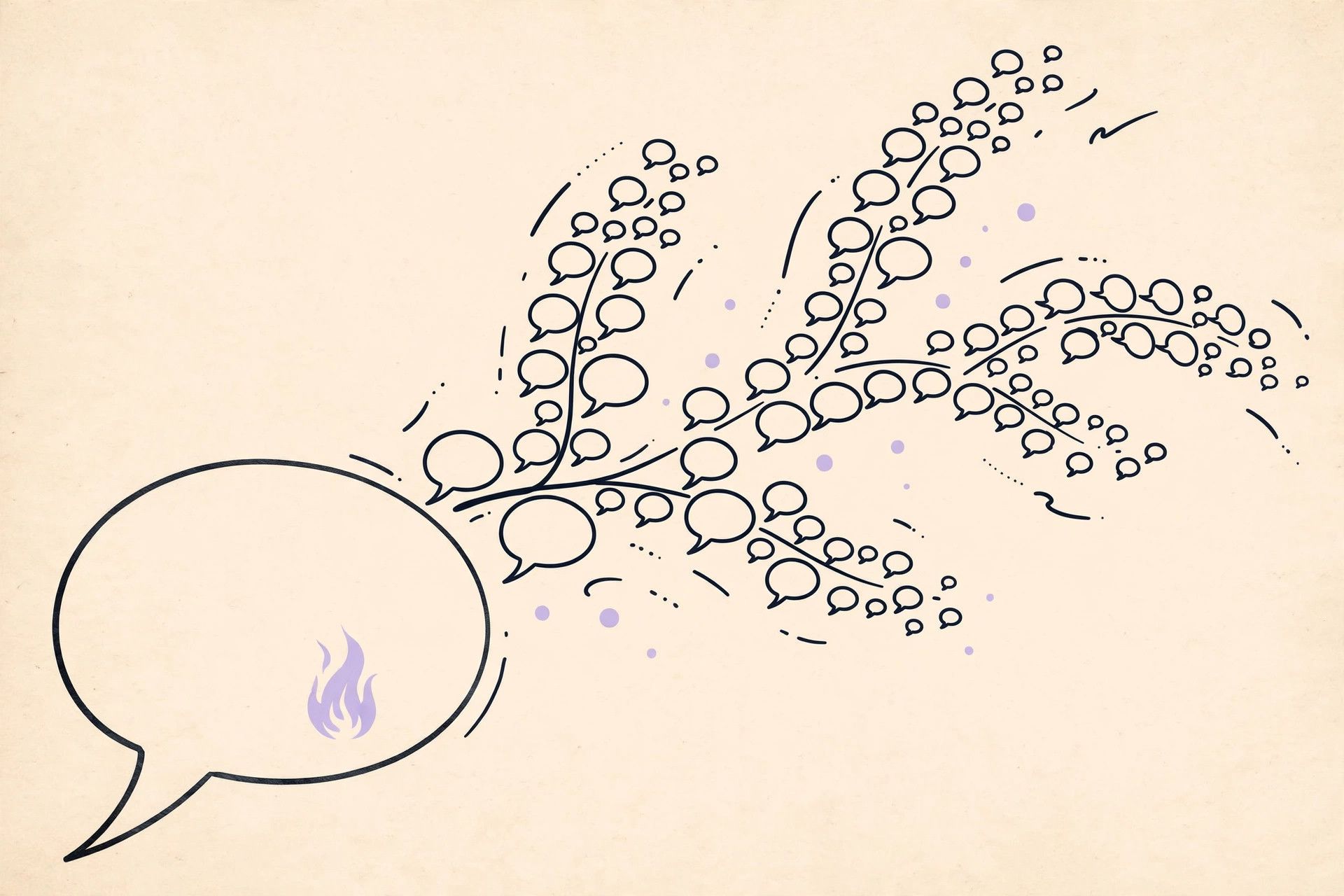
Here is the book in one line: things catch on when people talk about them, and people talk about things that make them look good, remind them of daily life, stir a feeling, are easy to see, help someone, or come wrapped in a story.
This is the twenty-fourth deep-dive in our Book Deep Dives and Recommendations For Entrepreneurs series, and it pairs well with two close kin. Made to Stick (#020) shows why some ideas stay in the mind once heard. Building a StoryBrand (#019) shows how to say what you sell so buyers get it in seconds. This one starts earlier: how to get people talking in the first place.
Key takeaways
- People share what makes them look good — give buyers a story worth repeating.
- Triggers beat ads: tie your offer to something buyers meet every day.
- Awe spreads fastest; wrap the point in a story people can retell in one breath.
- Make the use visible, and make the share useful — help is the best ad.
- Run every post through the six STEPPS before you publish it.
Give people a reason to talk
Social currency is the first STEPPS, and it means this: people share things that make them look smart, cool, or in the know. Nobody passes along a story that makes them look dull. Berger opens the book with a $100 cheesesteak at Barclay Prime in Philadelphia — a sandwich so over the top that diners told everyone about it. The price was the point. It gave buyers a story worth repeating at the next table.
The same rule holds for a small shop. If your offer has one odd, true detail — a flavor no one else has, a fix no one else tries, a name people have to ask about — buyers carry it for you. The trick is to find what is already remarkable about your work and put it where people can see it. Game mechanics help too: a stamp card, a first taste for members, a peek behind the scenes. Insiders talk. Outsiders want in.
Stay top of mind
Triggers are the second STEPPS, and they are the quiet workhorse of the six. People talk about what is on their mind, and what is on their mind is what their day keeps bumping into. Berger's test case is breakfast: people mention Cheerios more often than Disney World, not because cereal is more fun, but because the cereal box sits on the table every morning. The trigger does the talking.
The "Friday" test proves it another way. Searches for Rebecca Black's song "Friday" spike every Friday, year after year. The day of the week is the trigger, and the song rides it for free. For your business, the move is to tie your offer to something your buyers already meet each day — the morning coffee, the school run, the first of the month. Pick one daily moment and plant your name next to it.
Make people feel something, then give them a story
Emotion is the third STEPPS, and the feeling that spreads best is awe. Berger looked at the most-shared newspaper stories and found that awe beat anger and joy both. Susan Boyle's first Britain's Got Talent clip spread because it left viewers stunned — a plain woman walked out, opened her mouth, and the room stood up. The feeling did the sharing.
Stories are the sixth STEPPS, and they are the bag the message travels in. Nobody forwards a list of product specs, but people retell a good tale. Blendtec's "Will It Blend?" videos worked because each one was a small story with a joke ending — a blender eating a phone, a rake, a golf club. The blender was the hero of every clip. The lesson for you: wrap the point in a tale a buyer can retell in one breath. If they can't retell it, it won't travel.
Be seen, and be useful
Public is the fourth STEPPS: if people can see others using something, they copy it. The Livestrong wristband spread because it sat on wrists in plain sight. A shop queue out the door is an ad no money can buy. Make the use visible — a sign in the window, a photo wall of buyers, a sticker on the bag.
Practical value is the fifth STEPPS, and it is the most generous one: give people something useful and they pass it on to help a friend. An 86-year-old man filmed himself shucking corn in seconds, and the clip took off because it solved a small, real pain. Hotmail grew the same way, with one line at the foot of every email sent from its service: get your free email at Hotmail. Useful spreads. Ask one question before you post anything: does this save someone time, money, or trouble?
Use it this week
First, write down the one odd, true thing about your offer and put it in your next post, your shop sign, and your first line to buyers. Second, pick one daily moment your buyers already meet — morning coffee, the school run, payday — and tie one post or offer to it this week. Third, tell one short story about a real buyer and what changed for them, in three lines, and post it where buyers can see it. Fourth, add one useful tip to that post — a fix, a shortcut, a saving — so sharing it helps the sharer look good. Fifth, on Friday, count what came back: who mentioned you, who shared, who asked. Keep the trigger that worked and drop the rest.
Who should skip this book
If you want a book on ads, pricing, or cash flow, skip it — this is a word-of-mouth book, not a money book. It will not tell you how to set a price or read a balance sheet. It tells you how to get people talking so buyers find you without ads. If your problem is that no one knows your product exists, How-To #052 on marketing with no budget is the better read first.
One honest note before you buy: the book came out in 2013, and a few of its web examples feel old now. The clips and sites have aged, but the six STEPPS still hold — the studies behind them are about how people act, not about which app is hot. The value is in the doing: six checks, run against one offer, this week.
Questions people ask
What are the six STEPPS in Contagious?
Social Currency, Triggers, Emotion, Public, Practical Value, and Stories. Berger says they are the six reasons people talk about and share things.
What is social currency?
It is the idea that people share things that make them look good — smart, cool, or in the know. A $100 cheesesteak spreads because telling the story makes the teller look interesting.
What is a trigger in Contagious?
A cue in daily life that brings a product or idea to mind. People talk about Cheerios more than Disney World because breakfast happens every morning; the cereal box is the trigger.
Is Contagious still worth reading?
Yes, if you want buyers to spread the word for you. The web examples are from 2013, but the six STEPPS come from studies of how people act, and those have not changed.
Read this next: Made to Stick (#020) — Chip and Dan Heath's six traits of ideas that stay in the mind, the natural follow-up once people start talking.
From the Book Club shelf: browse the full Book Club shelf.
Sources
Figures in this guide are as of November 2026 unless noted.
- Publishers Weekly — Contagious: Why Things Catch On — Jonah Berger, Simon & Schuster, ISBN 978-1-4516-8657-9; Wharton marketing professor Berger on why word of mouth spreads.
- Google Books — Contagious — Jonah Berger, 2013, ISBN 9781451686579, published March 5, 2013, Simon & Schuster; the New York Times bestseller on why certain products and ideas become popular.
- Apple Books — Contagious by Jonah Berger — the six basic principles behind word-of-mouth and social transmission; Berger has published over 50 papers in top-tier academic journals.
- Biblio — Contagious: Why Things Catch On — hardcover, 2013, Simon & Schuster, ISBN 9781451686579 / 1451686579; the six steps that make products or ideas contagious.
- Changenaire Book Club — The Books — our shelf note on the book: word of mouth is the cheapest marketing there is — this book shows how to earn it on purpose.
Subscribe for more free step-by-step how-to guides to help you get more things done to grow your business or project everyday.
Unsubscribe anytime.