

Never Split the Difference: What an FBI Negotiator Knows About Getting to Yes — Book Deep-Dive #016
Disclosure: some links on this page are affiliate links. If you buy through one, Changenaire may earn a commission at no extra cost to you. As an Amazon Associate, Changenaire earns from qualifying purchases made through links on this page.
Picture the call. A client wants your price cut in half, and they want it today. A supplier just raised rates with two weeks’ notice. A customer is asking for a refund, and the tone says this could go either way. Most negotiation advice has one move for all of it: meet in the middle. Chris Voss spent 24 years at the FBI — as the lead international kidnapping negotiator — learning why that move loses. In Never Split the Difference: Negotiating As If Your Life Depended On It (Amazon Associates link — we may earn a commission), written with Tahl Raz and published in 2016, Voss takes the tools that talked armed men out of bank robberies and turns them into a system any founder can use at a kitchen table. The book has sold more than 5 million copies. Not because the stories are dramatic — though they are — but because the tools work in rooms where nobody is holding a hostage, and the stakes are still your rent.
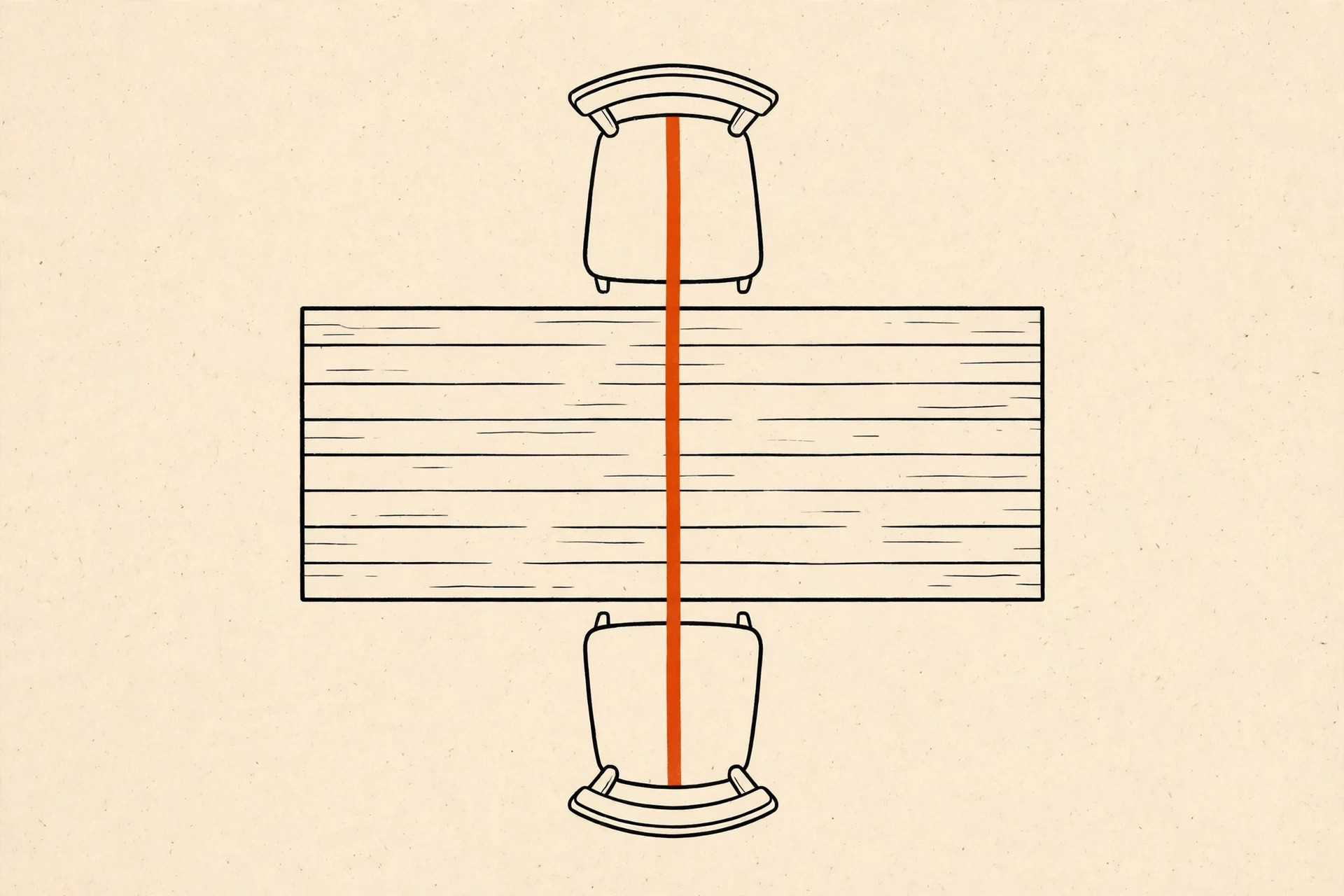
Here’s the book in one line: people don’t agree to things because the logic is good — they agree because they feel heard, treated fairly, and in control of the decision, and the negotiator who gives them those three things wins more often than the one with the better argument.
This is the sixteenth deep-dive, and it sits naturally next to the last two. The Hard Thing About Hard Things (#015) asked what to do when the business is in trouble and the easy answers are gone. Influence (#014) asked how a stranger decides to say yes. This one asks the question underneath both: when the other side has every reason to say no — and the price, the refund, or the rate is on the line — how do you get to a yes that actually holds?
Key takeaways
- Listen first, talk second — nobody agrees to anything while they feel unheard, and the negotiator who mirrors and labels what the other side feels gets further than the one with the better argument.
- Name the feeling out loud: saying what the other side feels — and saying the worst accusation against you before they do — takes the charge out of it.
- “That’s right” is the sound of a deal moving. “You’re right” means they want you to stop talking; “that’s right” means they feel understood, and only then can the deal move.
- Never split the difference — meeting in the middle feels fair and usually leaves both sides unhappy. Make precise, planned offers instead, and let calibrated questions do the heavy lifting.
- “No” is the start, not the end. A no gives the other side control — and a person who feels in control stops defending and starts talking.
The person across the table has to feel heard first
Voss calls his core idea tactical empathy, and the word tactical matters. This isn’t about being nice. It’s about listening on purpose — listening to understand what the other side feels and needs, and then showing them you understand it, before you say a word about what you want. The book opens on a bank robbery in Brooklyn, where Voss is on the phone with the robbers and discovers the first rule the hard way: the voice you use matters as much as the words. He calls his best one the late-night FM DJ voice — slow, calm, downward-inflecting, the voice that says nothing here is an emergency. Use it when you want the other side to settle. The positive, playful voice is for opening a conversation. The direct, assertive voice — the one most of us reach for first — is the one to use least, because it puts people on defense before you’ve heard a word from them.
The tools underneath the voice are smaller than you’d expect. Mirroring: repeat the last three words the other side said, or the three words that matter most, and then stop talking. It sounds too simple to work, and that’s the point — people hear their own words coming back and keep talking, and the more they talk, the more you learn. Silence is a tool too: after a mirror, or after a question, shut up and let the quiet do the pushing. Most founders fill every pause with a concession. Voss’s rule is the opposite. Say less. Let the other side fill the room, and listen for what they actually care about — because it’s almost never the number they opened with.
Name the feeling out loud
The second tool is labeling: putting a name on what the other side feels, out loud, in plain words. “It seems like you’re worried this won’t be finished on time.” “It sounds like the last vendor burned you and now you’re protecting yourself.” Start with “it seems like,” “it sounds like,” or “it looks like” — and then, after you say it, stop. Don’t explain. Don’t soften it with “but.” A label works because it tells the other side you’re paying attention to them, not just to the deal. And here’s the part that surprises people: you label the bad feelings too, especially the bad ones. Fear, anger, distrust — naming them out loud doesn’t make them bigger. It takes the charge out of them, because a feeling that’s been named is a feeling the other side no longer has to prove.
The sharpest version of this is the accusation audit. Before a hard conversation, write down the worst things the other side could accuse you of — you’re too expensive, you don’t care, you’re going to walk away, you’re trying to take advantage of them — and then say those things yourself, first, before they get the chance. It sounds like surrender. It’s the opposite. When you name the accusation, you take away its power as a weapon, and you show the other side you’re not afraid of the truth about how you look from their side of the table. Voss used this on kidnappers. You can use it on a client who’s already angry before the call starts.
“That’s right” is the sound of a deal moving
Halfway through the book comes the distinction that makes everything else click. There are two summaries in any negotiation, and they sound almost the same. “You’re right” means the other side wants you to stop talking. “That’s right” means they feel understood — your summary of their position was so accurate they can’t argue with it. You get to “that’s right” by summarizing their world back to them in their own terms: what they want, what they’re afraid of, what’s at stake for them. And when they say it, the deal can move, because now you’re negotiating with someone who trusts that you heard them.
Getting there takes the one skill most founders skip: summarizing without adding your own spin. A good summary starts with “It sounds like…” and ends with the other side’s situation, not yours. If they correct you, that’s good — a correction is information, and it means they’re still talking. Keep going until they say “that’s right” on their own. Only then do you put your number on the table. Voss is blunt about the order: understanding first, offer second. Reverse it and you’re haggling with someone who thinks you don’t care what they need — and haggling with a person who feels unheard is the most expensive conversation in business.
Never split the difference
Now the title. Splitting the difference feels fair. You want $10,000, they offer $6,000, you meet at $8,000 and everybody goes home. Voss says that middle number is usually the worst deal in the room — too high for them, too low for you, and built on nothing but the urge to stop arguing. A deal nobody loves is a deal that falls apart later, in missed deadlines and quiet resentment. Instead of splitting, he offers two tools that work together. The first is the calibrated question — a “how” question that hands the other side a problem to solve instead of a position to defend. “How am I supposed to do that?” is the signature one: it tells the other side your number doesn’t work, without saying no, and invites them to fix it. “How does this work for you?” and “What would it take to make this work?” do the same job — they make the other side do the work of finding the yes.
The second tool is the Ackerman model, a plan for offers with the guesswork taken out. Your first offer is 65 percent of your target price. Then 85 percent. Then 95 percent. Then 100 percent — your target, in a precise, non-round number, like $8,137 instead of $8,000. The shrinking gaps tell the other side you’re approaching your limit, and the exact final number signals you calculated it rather than picked it out of the air. Around all of it sits the word Voss calls the F-word: fairness. People will fight harder over feeling treated unfairly than over the money itself, so name fairness when it’s on the table — “It seems like you feel this isn’t fair” — and deal with the feeling before you deal with the number.
Use it this week
First, pick one conversation coming this week — a price talk, a client call, a supplier renewal — and write an accusation audit before it: the three worst things they could say about you, in their words. Say the hardest one out loud at the start of the call. Second, practice the mirror: in your next three conversations, repeat the last three words the other person says, then stop talking and count to five in your head. Notice what they say next. Third, before your next offer, set your Ackerman numbers in advance — 65, 85, 95, 100 percent of your target, with a precise final figure — and don’t move off the plan in the moment. Fourth, replace one “yes or no” question with a calibrated one: instead of “Can you do $5,000?” try “How am I supposed to do that at $5,000?” and listen to what comes back. Fifth, after your next hard conversation, check for the two words: did they say “you’re right” or “that’s right”? If it was “you’re right,” you haven’t summarized their world yet — go back and try again before you put a number on the table.
Who should skip this book
If you want a book about getting along — how to be liked, how to keep the peace — this isn’t it, and Voss doesn’t pretend it is. The tools here are for getting a real deal, not a comfortable one, and some of them feel strange the first time you use them: repeating someone’s words back, naming their anger out loud, letting silence sit. If you’re not ready to feel awkward for a few conversations, the book will sit on the shelf. Start with Why (#008) is the warmer read for the week you’re still finding your footing. And if you never negotiate — truly never, not prices, not deadlines, not terms — the book has nothing for you, but that person doesn’t run a business. For everyone else, this is the book for the next time someone across the table says a number you can’t take — and you need more than a shrug and a split down the middle.
One honest note before you buy: the stories come from kidnappings and bank robberies, and Voss doesn’t soften them — some readers will find the stakes hard to sit with. Read past the drama to the tool underneath it. The room changes. The people in it don’t: they want to feel heard, treated fairly, and in control. That’s true in a hostage call, and it’s true in the call you’re about to make.
Questions people ask
What is tactical empathy in Never Split the Difference?
Tactical empathy is Voss’s name for listening on purpose — not to agree with the other side, but to understand what they feel and what they need, and to show them you understand it. The tools are simple: mirror their last few words back to them, label the feeling you hear, and let silence do the work. The point is that nobody agrees to anything while they feel unheard. Empathy isn’t softness. It’s the fastest route to a deal that holds.
What is the Ackerman model in Never Split the Difference?
The Ackerman model is Voss’s system for making offers: your first offer is 65 percent of your target price, then 85 percent, then 95 percent, then 100 percent — your target, in a precise, non-round number. The shrinking gaps tell the other side you’re approaching your limit, and the exact final number signals you calculated it rather than picked it. It works because it gives the other side movement to watch while keeping you from giving away the store in one jump.
What does "that's right" mean in negotiation?
“That’s right” is the moment the other side feels fully understood. Voss draws a hard line between it and “you’re right”: “you’re right” means they want you to stop talking, while “that’s right” means your summary of their position was so accurate they can’t argue with it. You get there by summarizing their world back to them until they say the words themselves. Once they do, the deal can move — because now you’re negotiating with someone who trusts that you heard them.
Is Never Split the Difference useful for small business owners, or only for hostage situations?
It’s written for the small rooms, not just the crisis calls. Voss’s examples come from kidnappings and bank robberies, but every tool in the book lands in ordinary business: a client pushing back on price, a supplier raising rates, a landlord renewing a lease, a customer asking for a refund. The stakes are lower and the people are the same — they want to feel heard, treated fairly, and in control of the decision. If you negotiate anything for your business, this book is for the week you’re in, not the week you hope for.
See it on Amazon → (Amazon Associates link — we may earn a commission)
Read this next: Getting to Yes by Roger Fisher and William Ury, with Bruce Patton — the classic from the Harvard Negotiation Project: separate the people from the problem, focus on interests instead of positions, and invent options before you decide. Voss teaches you to hear the other side; Fisher and Ury teach you to build the agreement once you have. (Amazon Associates link — we may earn a commission)
From the Book Club shelf: browse all twenty-three picks.
Sources
Figures in this guide are as of November 2026 unless noted.
- Amazon — Never Split the Difference: Negotiating As If Your Life Depended On It — by Chris Voss, with Tahl Raz; Harper Business, May 17, 2016; 288 pages; ISBN 9780062407801; the FBI negotiator’s field-tested approach to high-stakes negotiation.
- Publishers Weekly — Never Split the Difference: Negotiating As If Your Life Depended On It — Chris Voss, with Tahl Raz; Harper Business, 288 pages; ISBN 978-0-06-240780-1.
- Target — Never Split the Difference by Chris Voss & Tahl Raz (Hardcover) — 288 pages; Harper Business; street date May 17, 2016; UPC 9780062407801.
- Penguin Random House — Getting to Yes — Roger Fisher and William Ury, with Bruce Patton; 3rd edition, 2011; ISBN 9780143118756.
- Changenaire Book Club — The Books — our shelf note on the book: most negotiations fail because people talk instead of listening — and mirroring, naming what the other side feels, and getting a real “that’s right” beats splitting the difference every time.
Subscribe for more free step-by-step how-to guides to help you get more things done to grow your business or project everyday.
Unsubscribe anytime.